
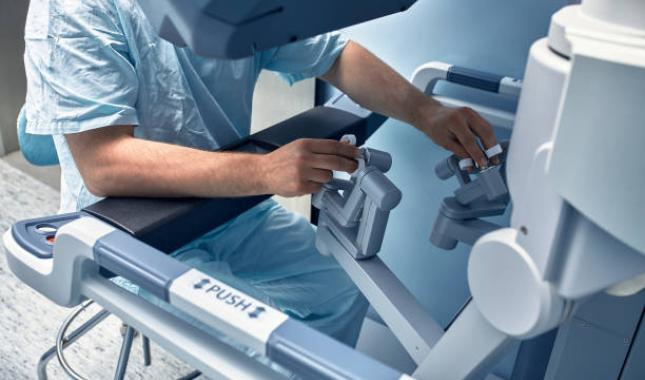
Surgical medicine has advanced rapidly over the last few decades, fundamentally changing how doctors treat serious internal conditions. Previously, major medical procedures involved large incisions, risk of infection, and long hospital stays. Today, robotic systems have altered this landscape by giving surgical teams extraordinary precision inside the operating room. By combining high-definition visualization with mechanical accuracy, robotic platforms allow medical specialists to perform intricate procedures with minimal disruption to surrounding body tissues. This is a technological change that is changing the benchmark for patient care in hospitals around the world.
Greater Precision and Magnified Visualization
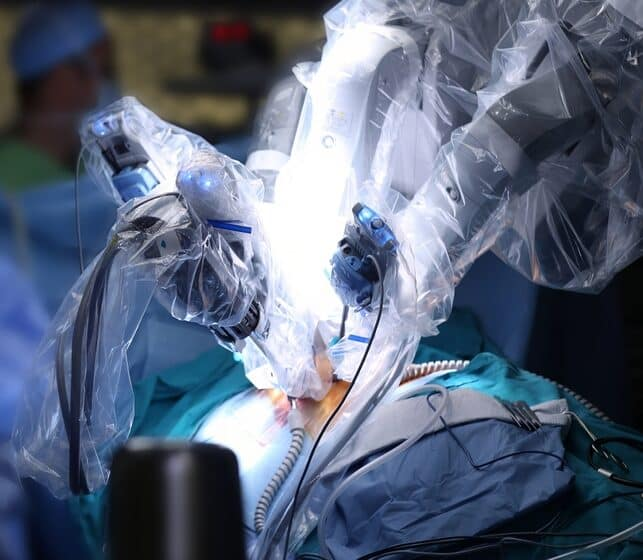
One of the greatest benefits of contemporary robotic platforms is the improved control that is offered to the operating physicians. Surgical precision is delivered by advanced robotic arms which also remove subtle hand tremors. Meanwhile, high-definition 3D camera systems offer surgeons a magnified view of the internal organs, blood vessels, and nerve pathways. Insights from a robotic surgery pioneer like Dr. Omar Marar highlight how elevated surgical control allows specialists to maneuver delicate instruments safely without disturbing surrounding healthy tissue. This unparalleled clarity is achieved and allows for every move to be executed perfectly.
Minimally Invasive Techniques and Reduced Discomfort
Robotic procedures use minimally invasive techniques, meaning that they are performed through small keyhole cuts, not big open incisions. Less physical trauma to the human body in and after an operation means smaller incisions. Patients who have undergone robotic procedures will have far less pain after the procedure than those who have had conventional procedures, and will have little blood loss. Reduced trauma rates also reduce overall risk for surgical site infections and other complications of wounds. This means that patients need to depend on painkillers to a lesser extent during the early healing stages, which facilitates a smoother transition to physical therapy.
Transforming Complex Colorectal and Abdominal Care
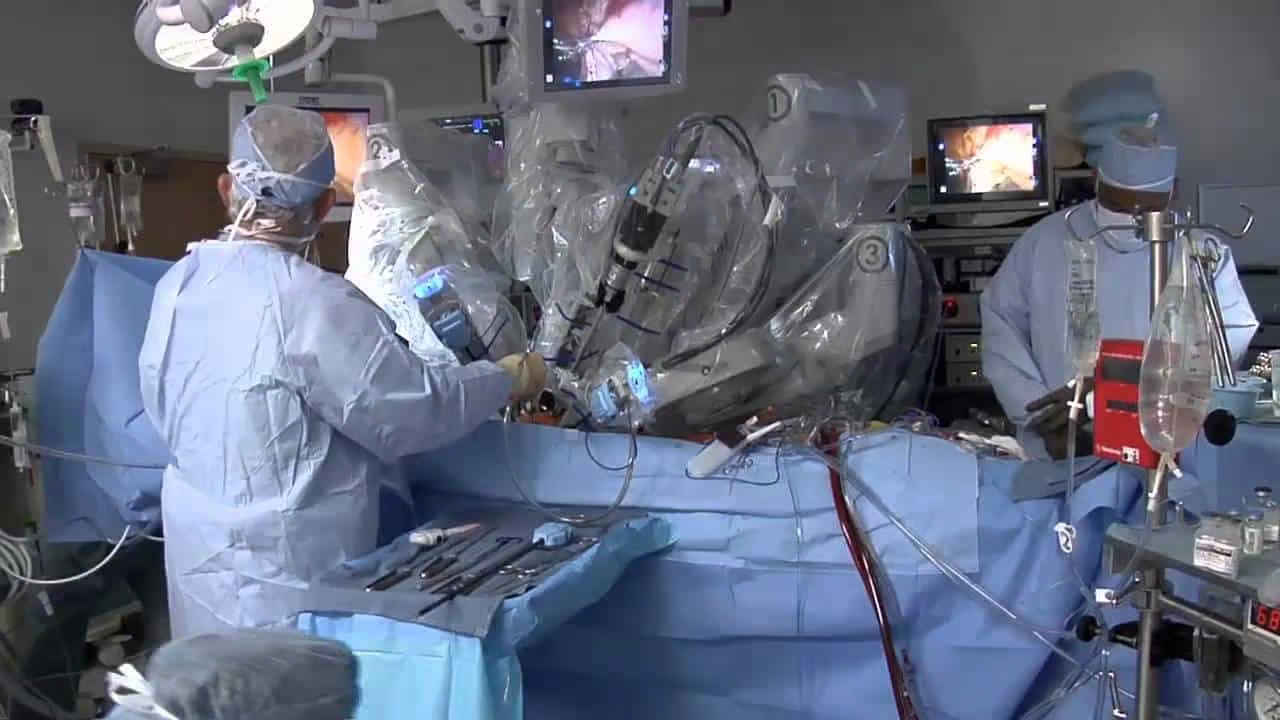
Many medical specialties have been impacted by robotic systems, but complex gastrointestinal and colorectal care is the specialty in which they are most noticeable. The human pelvis is very small, and shapes are very complex; for example, when dealing with cases of severe inflammatory bowel disease or rectal cancer, the surgeon must be very accurate. Robotic arms enable experts to safely dissect hard-to-reach tissues and undertake reconstruction in a safe environment. These are advantageous features that allow for proper removal of diseased tissue while allowing for the protection of surrounding nerves that are required for proper function. This means the patients have improved long-term functional health outcomes in addition to effective disease management.
Accelerated Recovery and Shorter Hospital Stays
In the operating room, robotic systems offer many benefits beyond the technical ones and significantly improve overall patient recovery times. With little physical stress on the body, hospital stays may be reduced from weeks to days. Patients gain physical independence, move around, eat solid food, and recover much faster than in previous years with traditional open surgery. Earlier home admission reduces the chances of complications developing from the hospital stay and lets people return to their own lives, family and employment as quickly as possible without them having to worry.
Conclusion
Robotic surgery has revolutionized modern medical practice with its unprecedented levels of accuracy, safety, and efficiency. Medical teams are now continuing to minimise patient trauma and recovery times with the use of less invasive robotic systems as opposed to traditional open procedures. With the ongoing advancements and widespread adoption of these robotic platforms in healthcare facilities, patients with complex medical conditions can expect safer procedures, improved health outcomes, and a higher standard of living.